


Saudi Arabia’s New SME Strategy: 500,000 Jobs and a 35% GDP Push by 2030
Saudi Arabia’s New SME Strategy: A Bold Bet on Small Business Growth Saudi Arabia just placed one of its biggest economic bets yet on small and medium enterprises. On September 15, 2026, the Saudi Cabinet approved the National Entrepreneurship and Small and Medium Enterprises Strategy, a sweeping plan designed to

ADGM Removes the Nexus Requirement for SPVs: What Global Investors Need to Know
For international investors, family offices and business groups, establishing a UAE holding structure has become more accessible. Abu Dhabi Global Market or ADGM has removed the nexus requirement for applicants to demonstrate an existing connection, commonly called a “nexus,” to ADGM, the UAE or the wider GCC when establishing a

UAE Input VAT Rules 2026: Supplier Due Diligence Required from 1 October
UAE Input VAT Rules Are Changing: Supplier Due Diligence Required from 1 October 2026 Recovering input VAT in the UAE will soon require more than holding a valid tax invoice. From 1 October 2026, businesses must perform and document specific checks on their suppliers and transactions before deducting input VAT.

UAE Tightens Corporate Governance and Anti-Money Laundering Rules: What It Means for Businesses in 2026 Category: Corporate Compliance & Business Advisory
The United Arab Emirates has taken another decisive step to cement its reputation as one of the world’s most trusted and investor-friendly business destinations. In a recent meeting of the country’s Economic Integration Committee, senior officials reviewed a fresh set of measures designed to strengthen corporate governance, tighten the framework
UAE Corporate Tax Clarifications 2026: 15 Important Lessons for Businesses
The UAE Corporate Tax framework is entering a more mature stage. Businesses are no longer dealing only with questions about registration, applicable tax rates, and filing deadlines. Increasingly, the focus is shifting towards how the Federal Tax Authority may interpret specific business structures, transactions and operating arrangements in practice. The
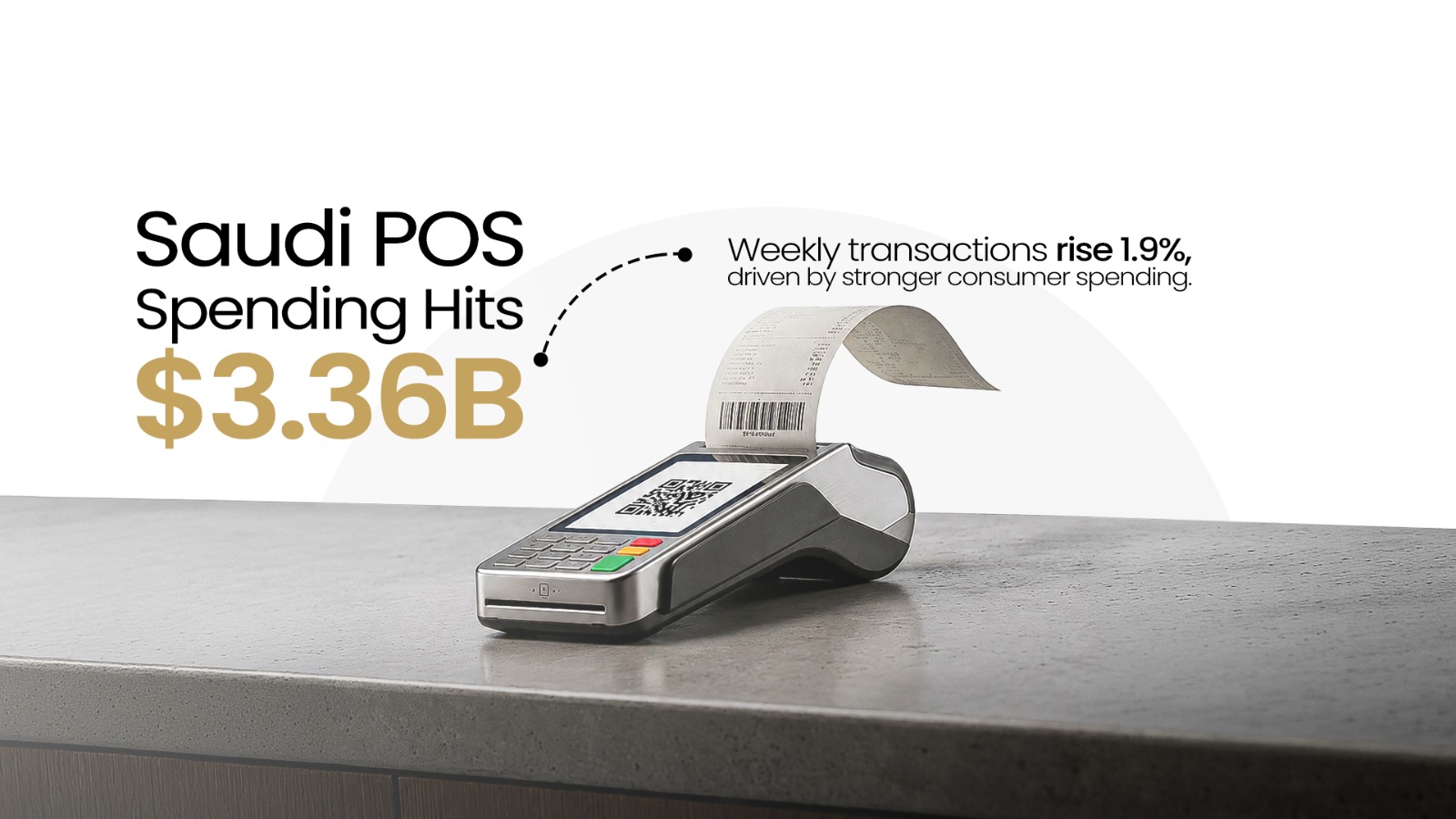
Saudi POS Spending Hits $3.36 Billion: A Strong Signal for Business Confidence in the Kingdom
Saudi Arabia’s point-of-sale spending has once again highlighted the strength of consumer activity in the Kingdom. According to recent market reports based on Saudi Central Bank data, weekly Saudi POS spending edged up by 1.9% to $3.36 billion, reflecting continued movement across retail, food, services, lifestyle, and other consumer-driven sectors.

GCC-UK Free Trade Agreement: Key Business Opportunities for Companies in the Gulf
The newly concluded GCC-UK Free Trade Agreement marks an important milestone in trade relations between the United Kingdom and the Gulf Cooperation Council. The agreement is expected to reduce trade barriers, remove tariffs on key goods, strengthen access to services, and create new business opportunities across the UAE, Saudi Arabia,

The Dual Mandate: When Internal Auditors Must Both Use AI – and Audit It
The Dual Mandate – A strategic framework for GCC organizations navigating algorithmic accountability “When did your internal audit function last issue a finding about an AI system? Not cybersecurity in general – but specifically about an algorithm your organization uses to make consequential decisions?” If the answer is never, you

Audit-Ready Financial Statements Under UAE Corporate Tax: What Businesses Need to Know
The UAE Corporate Tax regime is moving into a more mature phase. The focus is no longer only on registration, filing deadlines, and tax calculations. Businesses are now expected to demonstrate that their financial records are reliable, complete, and ready for review. Ministerial Decision No. 84 of 2025 has clarified

UAE VAT & Tax Rules Are Changing from January 1, 2026 – What Every Business Owner Must Know
The UAE has overhauled core sections of its VAT and Tax Procedures framework through two landmark decrees – Federal Decree-Law No. 16 of 2025 (amending the VAT Law) and Federal Decree-Law No. 17 of 2025 (amending the Tax Procedures Law). Both took effect on 1 January 2026. If your business is VAT-registered in the

Share Application Money – Account, Collection and Refunds
The arrival of joint-stock companies was indeed a revolutionary step in the industrial scenario of the Indian economy. The Companies Act that came in 1956 to govern joint-stock companies in India was recently replaced by an improved and enhanced Act passed in 2013. Even 6 years later, there are a

Stay Updated
Stay Ahead
Join our newsletter for the latest insights, updates, and resources — straight to your inbox.
You're subscribed!
Thanks for joining.
Check your inbox for updates.

Employer who allows expat to work for personal benefit will be punished.
The General Directorate of Passports (Jawazat) informed that any employer, who allows his expatriate worker to take up jobs for their own personal advantage or for a monetary consideration, shall be punished with a maximum imprisonment of three months and penalty upto SR 50,000. The employer, who commits the violation

Interest-free Banking- the precedent pathways.
Interest-free banking aka Islamic banking aka Alternative banking has always been a heated topic of discussion amongst world economists. The capitalist economists usually term interest as a fair and equitable ideal but the rest of the world has always indexed to the damages it causes to the plight of the


Permits granted to 4 new FinTech firms to operate under Regulatory Sandbox by Saudi Central Bank
Riyadh: The Saudi Central Bank (SAMA) announced granting a new batch of companies the permit to provide Open Banking Solutions in the Regulatory Sandbox. Permitted FinTechs are: Wally Global Arabia Sanam Aliliddikhar for Information Technology Istishraf Al-Bayanat for Financial Technology Spare Arabian Financial Company This will bring the whole number of

Qatar Boosts Business Support Amid Regional Pressure: What It Means for Investors and Companies
Qatar boosts business support to strengthen its position as one of the most business-friendly destinations in the region, introducing a series of support measures aimed at protecting investors, supporting companies, and maintaining economic stability. At a time when regional pressure is creating uncertainty for businesses, Qatar’s latest business support initiatives

UAE Introduces New Sugar Tax from January 2026: What You Should Know.
Starting January 1, 2026, the UAE will implement a sugar-based excise tax, replacing the current flat 50% rate with a tiered system that depends on the amount of sugar a drink contains. Announced by the UAE Ministry of Finance, this move aligns with GCC standards and supports the UAE’s goals