
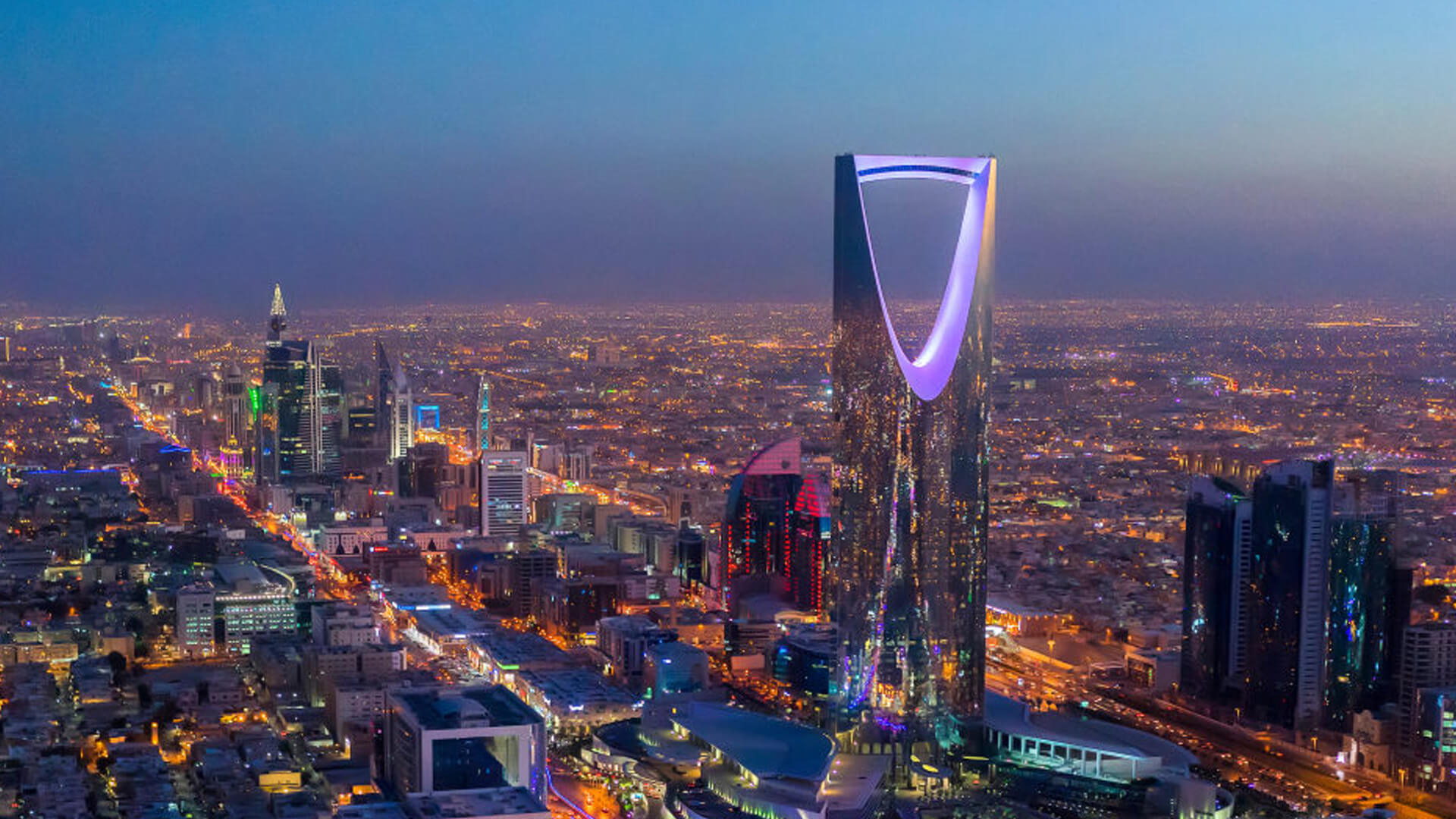
Saudi Arabia has just taken a remarkable step that is already capturing global attention. For the first time in its modern regulatory history, the Kingdom has approved a law that allows foreign individuals and entities to own real estate within designated zones across the country. Published on July 25, 2025, and set to take effect in January 2026, this new framework signals a clear invitation to global investors and residents who previously faced strict limitations. It marks a significant milestone aligned with Vision 2030, reflecting a confident shift toward a more open, dynamic, and globally integrated real estate market.
Who is Eligible to Invest in Ownership?
One of the most notable aspects of this change is how broadly the law defines foreign eligibility. Non-Saudi isn’t limited to expatriates already living in the Kingdom. It includes international companies, investment funds, nonprofits, and individuals residing abroad. The Council of Ministers can further expand this category as needed, offering flexibility as new types of investment models and global partnerships emerge
Where Will Foreign Ownership Be Allowed?
Ownership will not be unlocked across the entire country at once. Instead, Saudi Arabia is introducing a designated zone model. Only government-approved locations will be available for foreign ownership, and these areas are expected to include major urban and high-growth regions across Riyadh, Jeddah, and new economic districts. Religious sensitivities remain respected, meaning Makkah and Madinah still carry restrictions. However, there is one meaningful update: Muslim foreigners and foreign-owned Saudi companies may be eligible for limited ownership under specific conditions, which will be clarified once implementing regulations are finalised.
What Types of Property Rights Can Foreigners Hold?
Foreigners will also have access to a variety of ownership forms. Whether acquiring full ownership, long-term leaseholds, or usufruct rights, buyers will have options depending on their intended use. Some rights may come with time limits or ownership percentage caps, particularly in high-value or strategically sensitive zones. The final details will become clearer over the coming months as regulatory guidelines are released. The real-life impact of this policy is quite transformative. Expatriates who have called Saudi Arabia home for years will finally have the option to purchase property for personal use, something that was largely out of reach under previous rules. For businesses, the opportunities are even greater. Foreign companies can now purchase land and buildings to house employees, operate offices, and develop commercial ventures, even in Makkah and Madinah, if the purpose meets approved criteria. Diplomatic missions and international organizations are also formally permitted to acquire premises, provided reciprocity exists with the countries they represent. With expanded access comes structured oversight. All real estate transactions involving foreigners must be registered through the national Real Estate Registry. There may also be transaction fees, capped at 5% for transfers, and strict penalties for violations. Fines can reach up to SAR 10 million, and in cases of fraud or misrepresentation, authorities may force the sale of the property. This regulatory discipline is designed to ensure that market growth remains stable, transparent, and aligned with national interests.
Saudi Properties Platform: A Dedicated Digital Platform
To support the smooth implementation of this law, Saudi Arabia has launched a new digital platform called Saudi Properties. The platform will serve as the official gateway for foreign real estate ownership, from browsing available properties to submitting purchase applications and completing regulatory requirements. Introduced publicly at Cityscape Global 2025, the platform marks a significant leap toward a seamless, investor-friendly experience built on transparency and efficiency. The topic will also be a focal point at the Real Estate Future Forum in January 2026, signalling how significant this transition is in the Kingdom’s strategic roadmap. This new law is not merely a policy amendment; it represents a national confidence in global participation and a new era of development. Investors, homeowners, and businesses now have an opportunity to engage with one of the fastest-growing real estate markets in the world. As final zoning and regulatory details emerge, interest is only expected to grow.